

The moment I first looked into container shipping to Hawaii, I realized it was nothing like booking a normal move across state lines.
Living on the mainland, I assumed shipping household goods overseas would be complicated, expensive, and full of hidden steps.
What surprised me most was how structured and predictable the process actually is once you understand how ocean freight works.
This guide walks through the full journey the same way I experienced it, from packing on the driveway to opening the container weeks later on the islands.
Understanding the Basics of Ocean Freight to the Islands
Shipping freight to Hawaii relies almost entirely on standardized steel containers moved by cargo vessels.
These containers are the same ones used worldwide for international trade, which keeps pricing consistent and logistics efficient.
For household moves, you typically choose between a full container load or a shared container option, depending on volume.
I underestimated how important accurate inventory planning was until I saw how container space directly affected cost and transit time.
After my second conversation with a logistics coordinator, the process finally clicked.
Once your cargo is packed, sealed, and documented, it joins a tightly scheduled shipping lane that runs weekly between West Coast ports and Hawaii.
You can see a detailed breakdown of real-world options and timelines for container shipping to Hawaii.
after understanding how early planning shapes the entire move.
How Containers Are Delivered and Packed
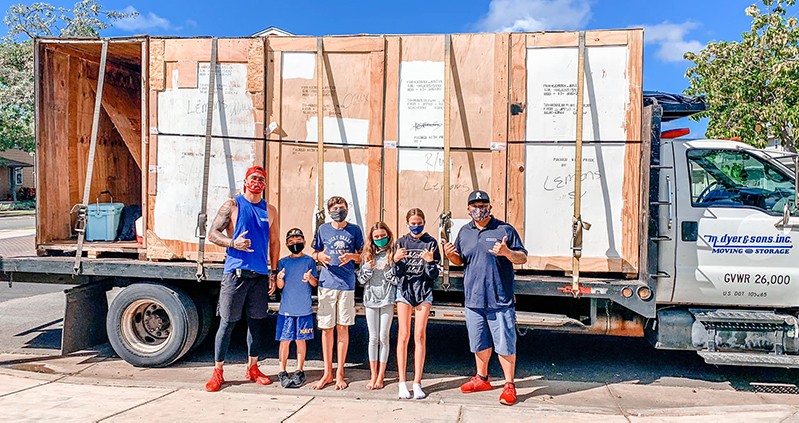
Containers usually arrive at your location on a flatbed truck with enough time to load everything in one session.
I still remember how intimidating the empty container looked sitting curbside.
The space feels massive at first, but it fills quickly once furniture, appliances, and boxed items start going in.
Professional crews stack items strategically to avoid shifting during ocean transit.
Heavy items go against the walls, lighter items fill vertical gaps, and everything is secured with straps and blocking.
What I learned the hard way is that rushing this step almost always leads to damaged goods later.
Packing Tips That Actually Matter
Labeling boxes clearly saved me hours when unpacking.
Using moisture-resistant materials made a noticeable difference once the container crossed humid sea air.
Leaving a detailed inventory list inside the container helped with inspections and final delivery coordination.
Small details at this stage reduce delays later at the port.
Port Processing and Documentation
Once the container leaves your driveway, it enters a tightly controlled port system.
At the port, containers are weighed, scanned, and matched against shipping manifests.
This is where paperwork becomes critical.
Missing documents can delay departure by days or even weeks.
I learned that accurate item descriptions matter more than overexplaining contents.
Ports prioritize safety, compliance, and scheduling over speed.
Customs and Inspections Explained Simply
Even though Hawaii is part of the U.S., freight still goes through agricultural and security inspections.
Items like untreated wood, plants, or outdoor equipment often require extra scrutiny.
My container was briefly held because a bicycle had soil residue on the tires.
That experience taught me how strict island biosecurity standards really are.
Transit Time and What Happens at Sea
Ocean transit from the West Coast typically takes between ten and twenty days.
Weather conditions, vessel schedules, and port congestion all influence timing.
During my shipment, the tracking updates were minimal but consistent.
Containers are stacked thousands at a time on massive cargo ships designed for stability, not speed.
Knowing this made the waiting period less stressful.
Once the ship docks, unloading happens quickly, but release scheduling takes additional coordination.
Delivery on the Island and Final Unloading
After arrival, containers are transferred to local carriers for final delivery.
This part felt surprisingly smooth compared to the mainland pickup.
Narrow roads, elevation changes, and residential access points all affect delivery logistics.
In my case, the container couldn’t be placed directly in front of the home, so unloading happened at a nearby staging area.
Planning flexibility here prevented last-minute surprises.
What First-Time Movers Often Overlook
Delivery windows are smaller than mainland moves.
Storage availability can be limited during peak seasons.
Clear communication with local crews prevents misaligned expectations.
Understanding island infrastructure helps everything run smoother.
Cost Factors That Influence Pricing
Shipping costs are driven by container size, port origin, fuel surcharges, and delivery complexity.
Seasonal demand can also affect rates, especially during summer relocation periods.
I found that locking in dates early stabilized pricing and reduced last-minute fees.
Insurance coverage is optional but strongly recommended for peace of mind.
The value lies in predictability, not shortcuts.
Why Planning Makes All the Difference
Moving household goods across the ocean sounds overwhelming until you see the system behind it.
Every step follows a sequence refined by decades of maritime logistics.
The biggest lesson I learned was that preparation removes most of the stress.
When timelines, packing, and documentation align, the process feels controlled instead of chaotic.
First-time movers succeed by understanding the flow before the container ever arrives.
That knowledge turns a complex relocation into a manageable, structured experience.