
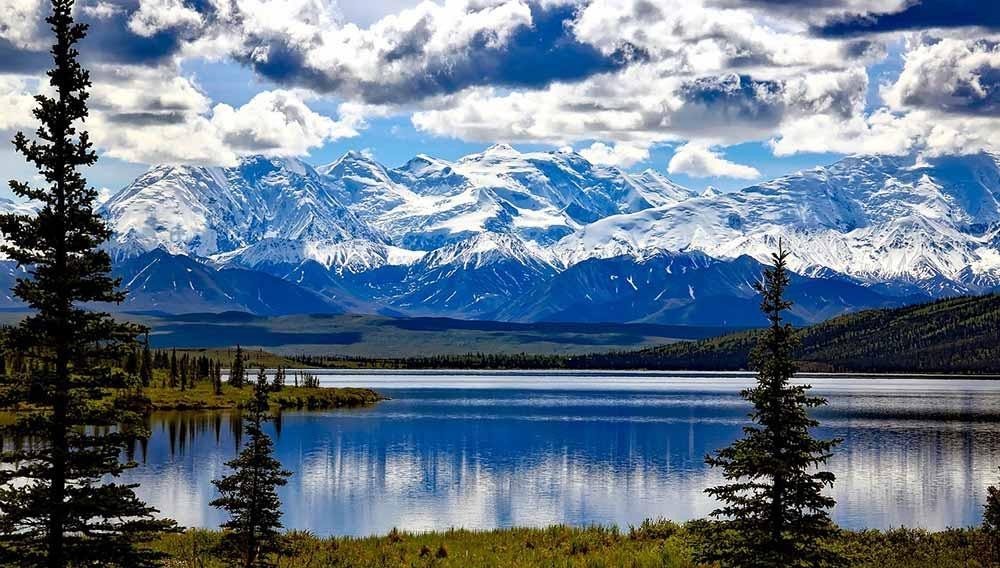
Alaska changes dramatically with the seasons, and the best time to visit depends on what you want to see and do. Whales arrive in spring, the midnight sun fills the summer, the leaves turn in early autumn, and the aurora lights up the winter sky. Knowing what each month offers helps you plan a trip that matches your interests.
Most visitors travel in the summer months, when Alaskan cruises sail the coast and the weather is at its mildest. Here is a month-by-month look at what to expect.
May: Early Season Calm
May is the start of the visitor season, and it has some real advantages.
- Fewer crowds:Towns are quieter and prices are often lower.
- Long, lengthening days:Daylight stretches into the evening.
- Spring wildlife:Whales begin returning, and birds are active.
- Cooler weather:Dress warmly, and expect some rain.
June: Peak Daylight
June brings the longest days of the year, with the sun barely setting in many areas.
- Midnight sun:Endless daylight makes for long, flexible days.
- Mild weather:Some of the driest weather of the season in many areas.
- Wildlife:Whales are active, and bald eagles are everywhere.
- Wildflowers:Hillsides bloom in color.
July: Warmest Month
July is typically the warmest month, with comfortable temperatures for outdoor activities.
- Busiest time:Many travelers choose July, so expect more crowds.
- Salmon runs begin:Rivers start to fill with fish, and bears gather to feed.
- Great for hiking and sightseeing:Trails are open and conditions are favorable.
August: Salmon and Wildlife
August is a favorite for wildlife viewing.
- Peak salmon runs:Bears, eagles, and seals are drawn to the fish.
- Whales are still active:Humpback sightings remain common.
- Slightly cooler evenings:The nights begin to darken again.
- Berries ripen:Wild berries appear in many areas.
September: Autumn Color
September is quieter and often beautiful.
- Fall foliage:Tundra and hillsides turn red, gold, and orange, especially in the interior.
- First aurora chances:Darker skies return, and late-month nights offer the first chances to see the lights.
- Fewer crowds:Visitor numbers drop, and so do prices.
- Cooler, wetter weather:Pack warm layers and rain gear.
Winter: Aurora and Snow
Winter in Alaska is cold, quiet, and magical for those who enjoy snow.
- Northern lights:Long, dark nights offer the best viewing.
- Winter activities:Dog sledding, snowshoeing, and skiing are popular.
- Short days:Daylight is limited, so plan activities carefully.
- Fewer services:Many seasonal tours and attractions are closed.
Choosing Your Season
- For whales:May through September.
- For bears and salmon:July through September.
- For long days and mild weather:June and July.
- For fewer crowds and lower prices:May and September.
- For the northern lights:Late September through March.
- For fall color:Late August through mid-September.
What to Pack Any Time of Year
- Layers:Alaska’s weather can change within a single day.
- Rain jacket:Rain is common, especially in Southeast Alaska.
- Comfortable shoes:For walking and light hiking.
- Sunglasses and sunscreen:Glare off the water and ice can be strong.
- Binoculars:For wildlife and scenery.
A Place for Every Season
There is no single best time to visit Alaska. Each season brings its own character, and the right one depends on what you want from your trip. Choose the month that fits your interests, and you will see a side of Alaska that is hard to forget.
For planning tools and seasonal information, Travel Alaska is the state’s official tourism resource.